What Changes When Drive-Thrus, Sidewalks and Dumpster Pads Get Washed
Sweeping removes what sits on top. Washing removes what has soaked in, and that is the difference tenants see.
October 17, 2026 · 4 min read
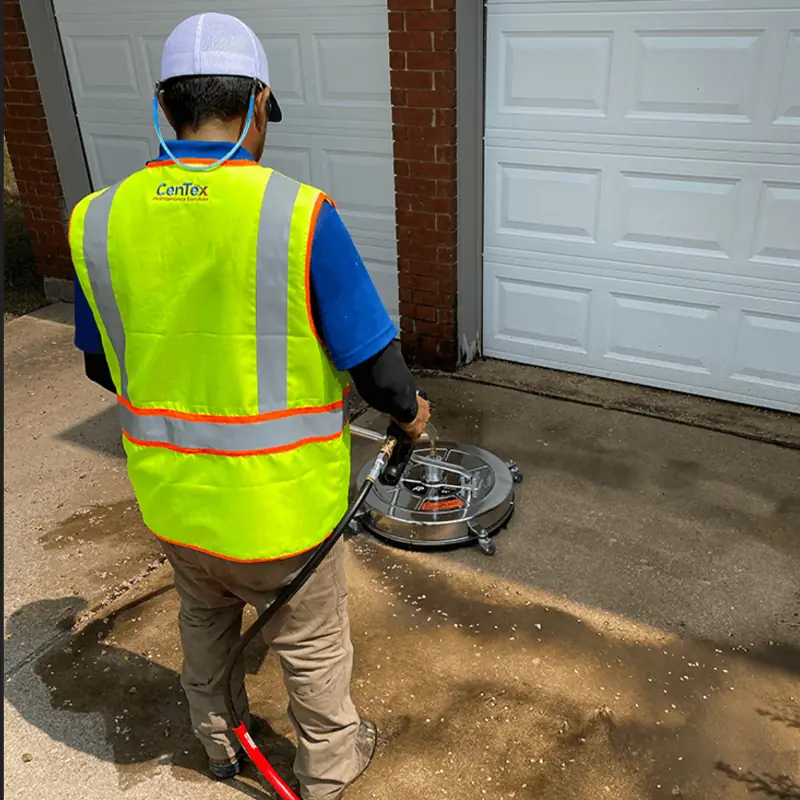
A swept lot is clean the way a swept kitchen floor is clean. The loose material is gone, but whatever has soaked into the surface is still there. Grease, gum, algae, tire marks and years of grime sit in the concrete, and no amount of sweeping lifts them. That is the job pressure washing does, and it is why a washed property looks different in a way tenants can describe even if they can't say exactly what changed.
Drive-thru lanes
Drive-thru lanes take the worst of it. Vehicles idle in line, drip oil and coolant, and drop food and drink onto the same strip of pavement day after day. The pickup window area collects the most, since cars stop there longest. A lane that looks dark and stained from the street tells every driver something about the business they're about to order from, and that reflects on the tenant and on you as the landlord. Washing the lane and the area around the window removes the build-up and takes away the sticky, slick surface that comes with it.
Sidewalks and entrances
Sidewalks hold gum, spilled drinks, tire tracks and the gray film that foot traffic grinds into concrete. Shaded sections often grow algae, which is both ugly and slippery when wet. The walk in front of a storefront is the doormat for the whole tenant space, so a dirty one undercuts whatever the tenant spent on their interior. Washing sidewalks is one of the quickest improvements a property can make, because the contrast between a washed section and an unwashed one is obvious to anybody walking by.
Pylon signs and building exteriors
The pylon sign is often a shopper's first contact with the center, seen from the road before anything else. Dust, mildew and bird droppings build up on the cabinet and the base, and a sign with dull faces and streaked panels is harder to read as well as less attractive. A wash brings the panels back, and the tenants listed on them get more value from the sign they already pay for. Building exteriors follow the same logic: dirt gathers under rooflines, along the base of walls and around downspouts, and a wash restores the finish that was there when the building was new.
Dumpster enclosures
Enclosure pads are where liquid from bags and bins ends up, and the walls pick up splatter over time. The result is odor, staining and flies, none of which anybody wants near a restaurant patio or a front entrance. Washing the pad and walls cuts the smell at its source and makes the whole enclosure less attractive to pests. It works best alongside a porter route that keeps the enclosure swept and the gates closed between washes.
What a good wash actually involves
More pressure isn't always better. Flat concrete usually calls for a surface cleaner, which is a rotating head that covers ground quickly and leaves an even finish without the wand marks you get from hand-washing a large area. Vertical surfaces, signs and painted finishes need a gentler approach so the coating stays intact. A crew that knows the difference will match the tool to the surface. Before you hire anyone, ask:
- How do you decide the pressure and tool for each surface?
- How do you handle wash water on a lot with storm drains?
- When will you work, and how will you keep customers off wet areas?
- Will you walk the property with me before and after?
- Can you wash in sections so tenants stay open?
Timing it around tenants
Washing is noisy, wet and temporarily slippery, so timing matters. Drive-thru lanes are usually best done in sections or outside peak service hours. Sidewalks in front of open storefronts need cones and a plan so customers can still reach the door. Ask for a schedule you can pass to tenants a few days ahead, and expect surfaces to need some time to dry before they go back into full use. Few tenants mind a wash that was announced. Most mind one that wasn't.
Washing as the first step
A wash is also the right first step before other work. Paint and coatings stick better to clean walls. Seal coat and striping need clean pavement. Washing a garage or lot before repair work lets you see the true condition of the surface, including cracks and stains that were hiding under grime. Many managers use a wash as a way to take inventory of the property before planning the next round of repairs.
CenTex Maintenance Services pressure washes sidewalks and drive-thrus, building exteriors, pylon signs and dumpster enclosures across Austin, San Antonio, Houston and surrounding areas. Describe your property in the online work order form, or call (512) 945-8480 and ask about a one-time wash or a regular schedule.
CenTex Maintenance Services, (512) 945-8480
Call (512) 945-8480More articles
What a Porter Route Covers on a Retail Center
The small, repeated jobs on a porter route are the ones tenants and shoppers judge your property by.
How Often Should a Commercial Parking Lot Be Swept?
Set the sweeping frequency on purpose, based on what your property is actually dealing with.